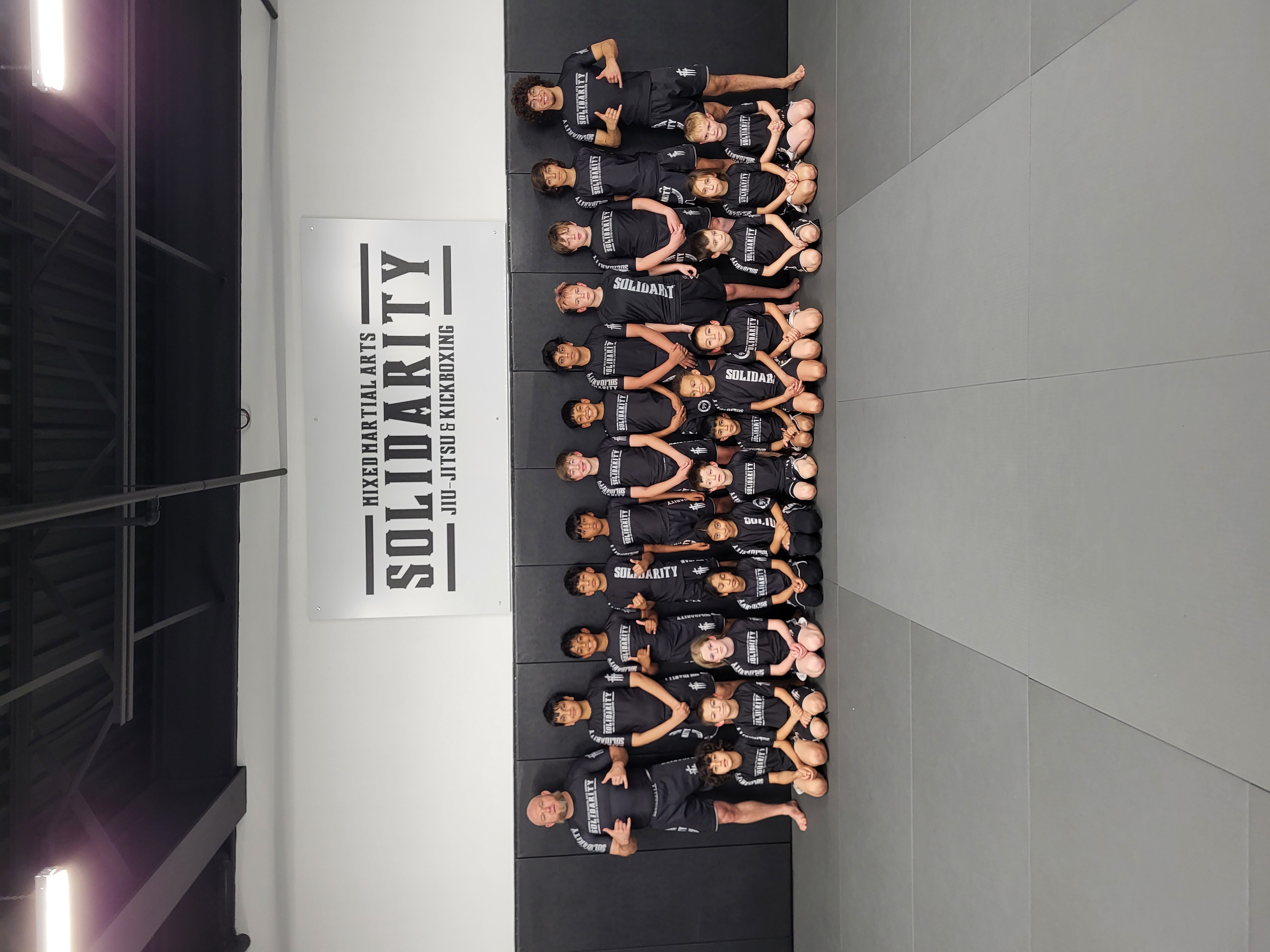
Martial Arts Benefits for Kids in Frisco, Texas
Kids Martial Arts, Brazilian Jiu-Jitsu, Kickboxing, Frisco Texas
The Benefits of Martial Arts Training for Kids in Frisco, Texas
For many families in Frisco, Texas, kids’ martial arts has become more than just an after‑school activity. It’s a structured, positive way to help children grow stronger, more confident, and more resilient—on and off the mats. Brazilian Jiu-Jitsu and kickboxing, in particular, offer powerful benefits for kids as young as three, from building focus and discipline to teaching real‑world self‑defense skills in a safe, age‑appropriate environment.
Why Martial Arts Is So Good for Kids Today
Children in Frisco grow up in a busy, high‑expectation environment. Between school, sports, and screens, it can be hard to find activities that build both character and physical fitness. That’s where martial arts stands out. Unlike many activities that focus only on winning games or scoring points, Brazilian Jiu-Jitsu and kickboxing emphasize personal growth, respect, and consistent effort.
In a well‑run kids martial arts program, your child doesn’t just learn punches, kicks, or takedowns. They learn how to listen, follow directions, manage their emotions, and bounce back when something feels challenging. Over time, these lessons translate into improved behavior at home, better focus in the classroom, and a healthier relationship with physical activity and goal‑setting.
Confidence: Helping Kids Believe in Themselves
Confidence isn’t something we can hand to our kids—it’s something they build through experience. Martial arts gives children clear, achievable challenges and the support they need to overcome them. Whether it’s mastering a new Jiu-Jitsu escape or completing a kickboxing combination, each small success sends a powerful message: “I can do hard things.”
Brazilian Jiu-Jitsu is especially helpful for shy or anxious kids. Because it’s based on leverage and technique rather than size or strength, children quickly learn that they don’t have to be the biggest or fastest to succeed. Kickboxing, meanwhile, gives kids a safe outlet to hit pads, move their bodies, and feel strong and capable. Over time, this growing sense of confidence often shows up in everyday life—raising a hand in class, trying out for a school activity, or introducing themselves to new friends.
Discipline and Focus: Skills That Carry into the Classroom
Many parents in Frisco first look into kids martial arts because they want to improve their child’s focus or behavior. On the mats, children quickly learn that training goes more smoothly when they listen, follow instructions, and respect their coaches and training partners. In each class, they practice:
Lining up quickly and quietly at the start of class
Making eye contact and listening to instructions the first time they’re given
Waiting their turn and showing patience with younger or newer students
Brazilian Jiu-Jitsu requires kids to think several steps ahead, like a physical game of chess. Kickboxing demands focus on balance, footwork, and timing. These repeated opportunities to concentrate, follow a sequence, and correct mistakes help kids strengthen the same mental muscles they need for reading, math, and test‑taking in school.
Physical Fitness: Healthy Habits That Last a Lifetime
With so much time spent on screens, it’s more important than ever for kids to move their bodies regularly. Martial arts offers a fun, structured way to build:
Strength – from holding grappling positions in Jiu-Jitsu to throwing powerful kicks and punches in kickboxing
Coordination and balance – learning to move smoothly, change directions, and stay in control of their bodies
Cardio endurance – drills, pad work, and live training that gently challenge their heart and lungs
Because classes are fun and engaging, kids often don’t even realize how hard they’re working. They just know they’re laughing, learning, and leaving class tired in the best way. Over time, this positive association with exercise can help them choose healthier activities as they grow into teens and adults in the Frisco community.
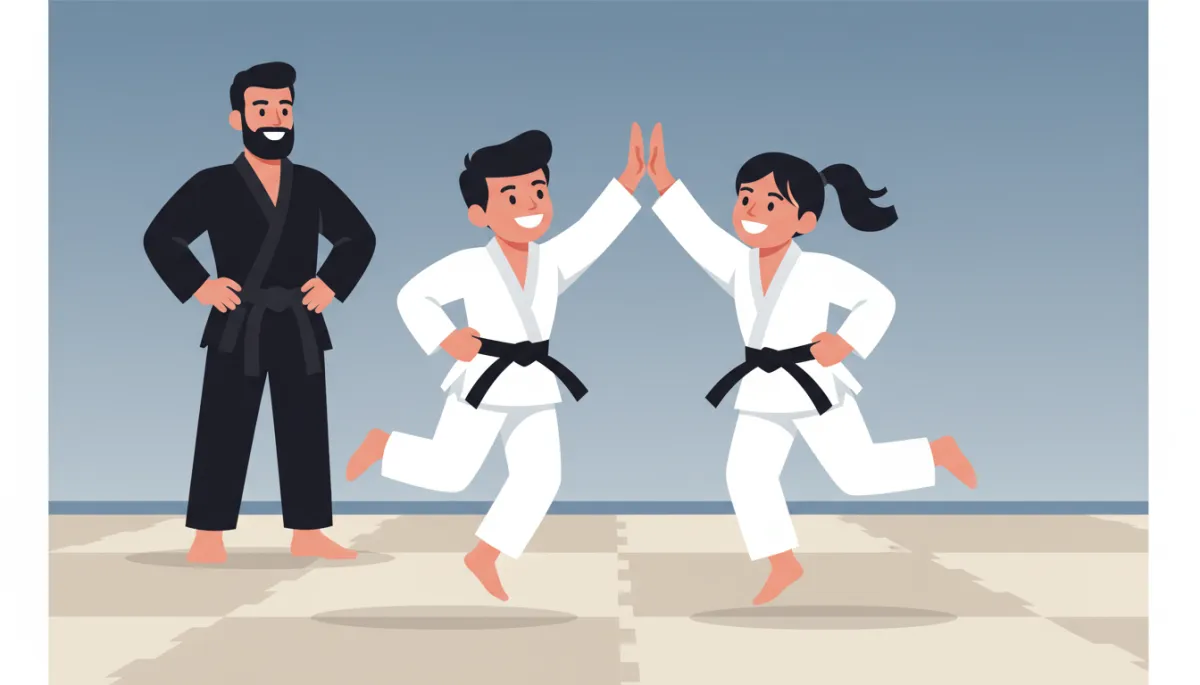
Partner drills build coordination, confidence, and teamwork in a safe, supervised setting.
Real-World Self-Defense Skills and Bully Prevention
While most parents hope their child never faces a dangerous situation, it’s reassuring to know they have practical tools to protect themselves. Brazilian Jiu-Jitsu is widely respected as one of the most effective self‑defense systems, especially for smaller individuals. Kids learn how to escape from grabs, control an opponent without relying on striking, and stay calm under pressure. This is particularly valuable for bully prevention, where the goal is to stay safe and get away—not to hurt someone else.
Kickboxing introduces striking skills in a controlled, age‑appropriate way. Children practice proper technique on pads and bags, learning how to generate power safely and responsibly. In a good program, coaches constantly reinforce that these skills are never to be used to start fights, only to protect themselves if there is no other option and to create space to get help from an adult.
📌 Key Takeaway: Quality kids martial arts programs in Frisco teach both physical self‑defense and the judgment to avoid unnecessary conflict.
Resilience: Learning to Handle Challenges and Setbacks
One of the most valuable benefits of martial arts for kids is resilience—the ability to keep going, even when things feel tough. On the mats, children experience small setbacks all the time: they get swept during a Jiu-Jitsu roll, they forget a kickboxing combination, or they feel nervous before trying a new drill. With the guidance of supportive coaches, they learn that mistakes are part of the process, not a reason to give up.
Over time, this builds a growth mindset: the belief that effort and practice lead to improvement. When kids internalize this lesson, they’re better equipped to handle academic challenges, social ups and downs, and the everyday frustrations that come with growing up. Parents often notice that their child becomes more patient, more persistent, and more willing to try again after starting martial arts in Frisco.
Friendships and Social Skills on the Mats
Martial arts classes naturally bring kids together. They bow in as a team, partner up for drills, and celebrate each other’s progress. This creates a sense of belonging that can be especially meaningful for children who haven’t quite found “their place” in traditional team sports or school activities. Because Brazilian Jiu-Jitsu and kickboxing classes in Frisco typically group kids by age and experience level, children train with peers who face similar challenges and goals.
Along the way, kids practice important social skills: sharing equipment, encouraging nervous classmates, and showing good sportsmanship whether they win or lose a drill. Many families find that the academy becomes a second home, where both kids and parents connect with other local families who value respect, hard work, and a healthy lifestyle.
What to Look for in a Kids Martial Arts Academy in Frisco
Not all martial arts schools are the same, and choosing the right academy in Frisco can make a big difference in your child’s experience. As you explore options, consider the following factors:
1. Age-Appropriate Curriculum and Class Structure
A good kids program recognizes that a 4‑year‑old and a 10‑year‑old learn very differently. Look for schools that offer separate classes for different age groups, with drills and expectations tailored to each stage of development. Younger kids’ classes should feel playful and engaging while still teaching listening skills and basic movement. Older kids can handle more complex techniques and longer rounds of training, as long as safety remains the top priority.
2. Positive, Experienced Instructors
The attitude and experience of the coaching staff matter just as much as their martial arts skills. Instructors should be patient, encouraging, and able to connect with kids at their level. Notice how they speak to students: Do they explain clearly? Do they correct with kindness? Do they model respect and self‑control? Coaches who understand child development can adjust their teaching style to help shy, energetic, or easily frustrated kids feel successful.
3. Clean, Safe, Family-Friendly Environment
When you visit a martial arts academy in Frisco, take a look around. Are the mats clean and in good condition? Is there a clear system for warming up, pairing students, and supervising drills? Are parents welcome to observe? A family‑friendly academy will prioritize safety, maintain a respectful atmosphere, and make it easy for parents to ask questions and stay informed about their child’s progress.
4. Emphasis on Character, Not Just Competition
Tournaments and belt promotions can be exciting, but they shouldn’t be the only focus. The best kids martial arts programs use Brazilian Jiu-Jitsu and kickboxing as tools to teach life skills: respect, responsibility, perseverance, and humility. Ask how the school handles winning and losing, how they address poor sportsmanship, and how they help kids set meaningful goals beyond just earning the next belt color.
5. Welcoming to Beginners and All Abilities
Your child doesn’t need any prior experience to benefit from martial arts. Look for a school that clearly states that beginners are welcome and has a plan to help new students feel comfortable from day one. That might include introductory classes, extra attention from coaches, or pairing new kids with experienced, patient training partners who can help them learn the ropes.
How Solidarity MMA Supports Kids and Families in Frisco
Solidarity MMA is one example of a Frisco martial arts academy that focuses on helping kids grow in a positive, structured, family‑friendly environment. The school offers age‑appropriate Brazilian Jiu-Jitsu and kickboxing programs for children ages 3 and older, with classes designed to match each stage of development—from curious preschoolers to motivated middle‑schoolers and teens.
For younger children, classes blend basic movement, balance, and coordination with simple Jiu-Jitsu positions and playful drills. Coaches focus on helping kids learn how to line up, listen, share, and try their best, all while having fun. As kids grow, Solidarity MMA gradually introduces more detailed techniques, longer rounds of training, and goal‑setting through belt promotions, always keeping safety and good sportsmanship at the center of each class.
Kickboxing classes at Solidarity MMA give kids a safe, structured way to build strength and confidence. Students learn proper stance, footwork, and striking technique on pads and bags, under close supervision. The emphasis is on control, respect, and learning how to use their bodies effectively—not on aggression. This balanced approach helps children feel strong and capable while also understanding when and how it is appropriate to use what they’ve learned.
💡 Helpful Note for Parents: Solidarity MMA welcomes beginners of all fitness levels. Kids don’t need to be “in shape” or naturally athletic to start; the program is designed to meet them where they are and help them grow at a comfortable pace.
The academy also encourages family involvement. Parents are welcome to observe classes, ask questions, and stay connected to what their children are learning. Many families appreciate that the environment feels friendly and inclusive, with clear expectations around respect, teamwork, and effort. For busy Frisco parents, it’s reassuring to know that their children are spending time in a place that reinforces the same values they’re working to build at home.
Trying a Free Trial Class: A Low-Pressure Way to Get Started
If you’re curious whether Brazilian Jiu-Jitsu or kickboxing would be a good fit for your child, the best next step is simply to try a class. Solidarity MMA offers families in Frisco the opportunity to schedule a free trial class, so kids can experience the environment, meet the coaches, and see what training feels like—without any pressure or long‑term commitment.
During a trial class, you can watch how instructors interact with students, how kids respond to the structure of the lesson, and whether your child leaves with that “tired but happy” smile that so many martial arts parents recognize. It’s also a great chance to ask questions about the curriculum, safety policies, schedule options, and how the academy supports kids with different personalities or learning styles.
Helping Your Child Succeed in Martial Arts (and Beyond)
Once your child starts training, there are a few simple ways you can support their success:
Celebrate effort, not just results. Praise your child for showing up, trying hard, and being respectful—whether or not they mastered a new move that day.
Keep a consistent schedule. Regular attendance helps kids build skills, relationships, and confidence more quickly than occasional drop‑ins.
Stay in touch with coaches. If your child is nervous, shy, or struggling with something specific, let the instructors know so they can offer extra support.
With the right environment and encouragement, martial arts can become a powerful anchor in your child’s weekly routine—a place where they feel seen, challenged, and supported as they grow into confident, capable young people in the Frisco community.
Final Thoughts: Giving Your Child the Gift of Martial Arts
Kids’ martial arts in Frisco, Texas, offers far more than kicks and takedowns. Through Brazilian Jiu-Jitsu and kickboxing, children develop confidence, discipline, focus, physical fitness, self‑defense skills, resilience, and meaningful friendships. In the right academy, they’re surrounded by positive role models and peers who encourage them to do their best and treat others with respect.
If you’re looking for a structured, family‑friendly program for your child, consider visiting a local school like Solidarity MMA. With age‑appropriate classes for kids ages 3 and up, a welcoming attitude toward beginners, and the option to schedule a free trial class, it’s easy to explore whether martial arts is the right fit for your family. Whether your child is outgoing or reserved, athletic or just getting started, the lessons they learn on the mats can support them for years to come—at home, at school, and in every challenge they face.